Individualized Elderly Care: The Power of Small Assisted Living Communities
Business Name: BeeHive Homes of Frisco
Address: 2660 Timber Ridge Dr, Frisco, TX 75034
Phone: (469) 353-8232
BeeHive Homes of Frisco
Residential Assisted Living and Memory Care homes with compassion, core values, and care.
2660 Timber Ridge Dr, Frisco, TX 75034
Business Hours
Families rarely start searching for elderly care on a calm afternoon with a lot of time. More often, it starts after a late night telephone call, a fall, a healthcare facility discharge, or the sluggish awareness that a spouse or adult child merely can not keep up with growing care requirements. In those minutes, the senior care landscape can seem like a labyrinth of lingo and glossy brochures.
One of the most essential differences, and one that often gets neglected, is the distinction in between big institutional centers and small assisted living neighborhoods. The size of a setting shapes almost every element of every day life for an older adult, from how rapidly personnel notice a change in cravings, to whether somebody sits alone at breakfast, to how confidently you sleep in the evening understanding your parent is safe.
Over the last 15 years dealing with families and care teams, I have actually seen once again and again how small, relationship-based neighborhoods can transform elderly care. They are not a best fit for everyone, but they often deliver a level of customization that larger environments battle to match.
This article looks carefully at why size matters in assisted living, how small neighborhoods work when they are done well, and what useful indications households can expect when examining options, including respite care stays.
What "small" assisted living actually implies in practice
The expression "small assisted living" covers a series of models. At one end are residential care homes, in some cases called board-and-care homes or adult family homes, which typically serve 4 to 12 residents in a single home. At the other end are boutique assisted living communities with 20 to 40 homeowners, developed deliberately to stay well below the hundred-plus homeowners found in numerous senior living campuses.
Regardless of licensing classification, small communities share a couple of common functions:
They operate on a human scale. Personnel can normally name every resident without looking at a chart. When the nurse strolls into the living room, she recognizes who chooses herbal tea, who avoids dairy, and who fights with sundowning in the late afternoon.
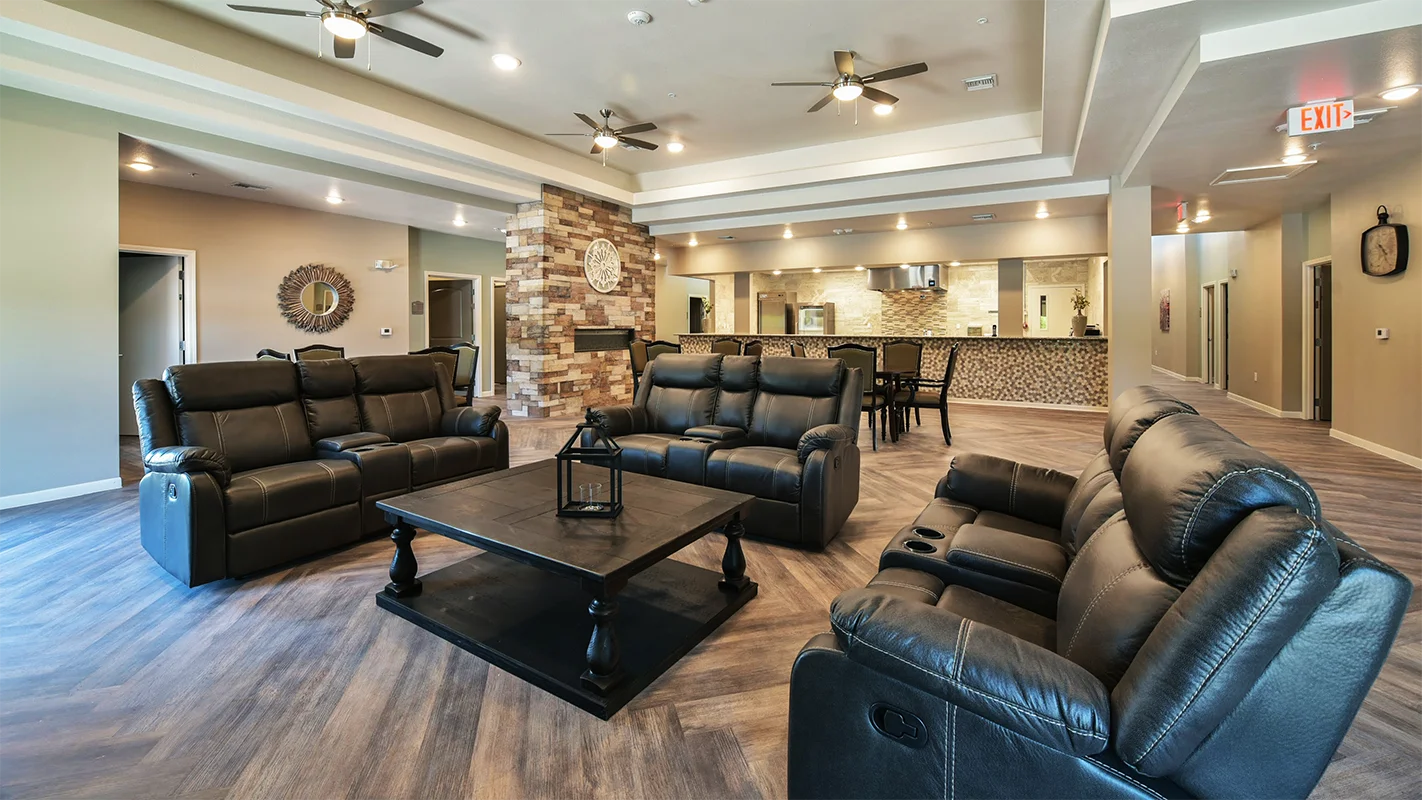
They blur the line between "facility" and "home." Locals typically share common spaces such as a family-style dining room, a small garden, and a living room with real furniture, not rows of identical chairs. The environment intends to support both dignity and comfort.
They run leaner hierarchies. Instead of layers of supervisors, small homes often have a supervisor or owner who is present and hands-on. Decisions about care modifications, activities, or menu adjustments can be made rapidly, with far less bureaucracy.
They rely greatly on culture and relationships. A small community can not hide poor care behind a huge activities calendar or an expensive lobby. Families see the very same faces on each visit, and it becomes really clear whether there is warmth, persistence, and consistent follow-through.
This scale shifts the focus of assisted living away from logistics and towards the actual lived experience of elderly care.
Why personalization matters a lot in elderly care
Personalized care is not a luxury add-on in senior care. It is main to health, safety, and lifestyle, particularly when somebody lives with several persistent conditions, mild cognitive disability, or early dementia.
Older grownups rarely fit nicely into checklists. One resident may have heart disease and diabetes however still be a devoted garden enthusiast who gets up early. Another might be physically robust however anxious, with a history of anxiety and a strong choice for privacy. A 3rd may have restricted English, high fall threat, and strong cultural or religious regimens that specify the rhythm of the day.
Standardized "care strategies" can look great on paper yet fail in real life if they are not constantly changed in reaction to the resident's day-to-day patterns. This is where smaller assisted living environments tend to excel:
Staff notice subtle modifications. When caretakers see the very same 8 to 20 residents every day, they recognize what is typical for each individual. A partial breakfast, a missed out on joke, or a shorter-than-usual walk might activate a peaceful check-in that prevents a larger problem.
The environment adjusts to the person, not the other way around. For instance, I once dealt with a small neighborhood where one resident, a retired baker, tended to roam during the night. Instead of simply medicating or restricting him, staff developed a safe, low-stimulation "late night cooking area" routine where he might knead dough with guidance and after that settle more quickly. It fit his long-lasting regular and considerably decreased agitation.
Preferences bring weight. Whether someone consumes with adaptive utensils, showers at a certain time, or takes part in spiritual rituals, those preferences become a typical part of the day, not "special demands."
All of this is possible in bigger senior living communities in theory. In practice, it requires an unusually cohesive culture and strong staffing levels. In smaller settings, personalization is the default, not the exception.
The emotional safety of being known
When older adults move into assisted living, they lose a lot at the same time: home, next-door neighbors, routines, even control over small things like what brand of coffee they consume. A small neighborhood can not remove that loss, however it can soften the emotional impact.
Residents tend to form much deeper relationships quicker in smaller groups. It is simpler to bear in mind names when there are fifteen rather than eighty. Mealtimes feel like a home event instead of a cafeteria. For individuals who tire quickly or feel overwhelmed by sound, this quieter scale can be the difference in between getting involved and pulling away to their room.
From the family's viewpoint, emotional security shows up in a various way. You would like to know:
Who will be with my mother when she is puzzled or frightened at 3 a.m.?
Who notifications if my father remains too long in the restroom or seems except breath?
Who picks up on the early signs of a urinary system infection before it results in a hospitalization?
In a well-run small assisted living community, the answers are not abstract task titles. They specify people, with faces and histories: "That will typically be Maria or Thomas in the evening. They know precisely how to calm her when she wakes up unsure where she is." That personal connection builds trust that no written policy can match.
Small assisted living vs bigger facilities: essential trade-offs
Small settings are not immediately better. There are genuine benefits and constraints to both small and large designs, and it helps to weigh them honestly.
Here is a simple comparison to ground your thinking.
-
Atmosphere and social environment
Large centers can provide more diverse activities and peer groups. Somebody who prospers on range, takes pleasure in big group occasions, or wants on-site worship services and physical fitness classes might appreciate a bigger campus. On the other hand, a small assisted living neighborhood generally provides more intimate events, simpler daily rhythms, and more spontaneous interaction, such as chatting over folding laundry or helping water plants. -
Staffing patterns
Bigger senior care organizations may utilize a wider variety of experts on-site: full-time nurses, therapists, activity directors, dietitians. Smaller homes typically depend on a smaller core team and outdoors service providers, like checking out nurses or home health companies. That stated, caregiver-to-resident ratios can be more powerful in small homes, particularly in the evenings and weekends, since there are fewer layers of tasks and locals in each unit. -
Flexibility and responsiveness
In a large structure, altering dining alternatives or adjusting the everyday schedule for one person can be hard. Systems are constructed for effectiveness. Small communities are frequently more nimble. If a resident's daughter requests a weekly video call at a particular time, it is simpler for a small team to integrate that as a routine. -
Cost and value
Rates vary widely by region, but small residential care homes are typically equivalent in price to mid-range assisted living facilities, often slightly lower, often higher if they provide really high touch care. Big campuses may use tiers of prices and the marketing appeal of resort-style amenities. The essential concern is not simply "What does it cost monthly?" but "Just what happens during those hours, and how does that align with my parent's top priorities and needs?" -
Progression of care needs
Large senior living schools typically promote "aging in location," with assisted living, memory care, and sometimes competent nursing in one location. Some small homes also offer memory care or extremely high levels of help, however not all. Households should ask directly how the neighborhood manages aggravating mobility, late-stage dementia, or end-of-life care. A thoughtful small home will be upfront about its limits and how it supports transitions, including hospice.
The best choice depends upon the person's personality, medical complexity, social requirements, and household scenario. A highly social extrovert with stable health may flourish in a larger setting, while someone with anxiety and early dementia may feel lost in the same environment yet settle wonderfully into a small assisted living community.
How small communities reinforce medical safety
One common concern households voice about small settings is whether their loved one will be medically safe. They picture a big center with a nurse's station and compare it to a comfortable home without any obvious scientific infrastructure.
Regulations differ by state and country, however trustworthy small assisted living homes operate with clear care protocols, medication management, and access to health experts. In most cases, the level of daily oversight is stronger just due to the fact that less homeowners slip between the cracks.
A couple of useful elements stand out.
Medication management
With a restricted number of citizens, medication rounds can be more focused. Personnel have time to verify whether the resident actually swallowed tablets, to keep track of for negative effects, or to question a brand-new prescription that does not seem to fit the person's history. Households are typically looped in quickly when something looks off, which can make conversations with physicians more effective.Monitoring for changes
Small shifts in condition are often observed more quickly. A caregiver who assists with dressing every early morning might notice a new tremor, a pressure aching beginning, or confusion that was not there last week. Since the chain of communication is shorter, those observations are most likely to translate into action.Fall prevention
No environment removes falls, but small homes typically have a better view of residents' genuine mobility and risk patterns. Staff know who tends to get up at night without calling, which path they typically require to the bathroom, and how stable they look on any given day. They can adjust guidance or suggest a physical treatment speak with promptly.Coordination with family and providers
Rather of passing messages through multiple layers of personnel, households typically speak directly to the manager or owner when issues develop. A fast call to a medical care provider to clarify an order, or to arrange a home health evaluation, is more likely to happen when the leader is hands-on and knows the resident personally.None of this gets rid of the need for households to stay engaged. However in my experience, when a small assisted living neighborhood is well handled, families become real partners in care rather than peripheral observers.
The function of respite care in discovering the right fit
Respite care is short-term senior care that offers household caregivers a break and offers a trial run in an encouraging environment. It can last from a couple of days to numerous weeks or more, depending on local regulations and the community's policies.
Small assisted living communities can be perfect settings for respite stays, especially in these scenarios:
A spouse is exhausted from full-time caregiving and needs time to recuperate physically or emotionally.
An adult child must travel for work or a family event and can not securely leave the older parent alone.
The household is thinking about a move to assisted living but wants to see how the parent changes before making a long-lasting commitment.
The resident is transitioning from medical facility or rehabilitation and requires more support than home alone but does not require an experienced nursing facility.
During respite care in a small home, personnel can discover the person's patterns and preferences rapidly. The environment is usually simpler to browse, which minimizes the stress of a brand-new setting. Families get a sensible understanding of how their loved one functions with regular help, instead of guessing based on a hurried health center discharge plan.
I have seen scenarios where a two-week respite stay exposed that an older adult was far more puzzled in the evening than family recognized, or that they thrived with set up medication and meals, putting on weight and stability. In other cases, the senior returned home with services like at home aides and fall-prevention adjustments, delaying the need for full-time assisted living. The trial helped everyone choose based upon proof instead of fear.
What to try to find when visiting a small assisted living community
Brochures and sites rarely tell the complete story. The quality of elderly care in a small setting shows up in everyday routines and interactions, not marketing language. When you visit, trust both your eyes and your instincts.
Here is one focused checklist you can bring with you, as your first allowed list:
-
Watch the body language
Notification how staff interact with locals. Do they make eye contact, crouch to the resident's level, address them by name, and listen? Or do they talk over citizens, rush, or appear distracted? -
Smell and sound
A faint odor of cooking or cleansing is regular. Strong odors of urine or heavy air freshener suggest chronic problems. Listen for continuous alarms, shouting, or roaring tvs. A small home must feel quietly busy, not chaotic. -
Staffing presence
Count how many staff you see, and ask how many are on task for the current variety of homeowners, both daytime and over night. In a group of 8 to 12 homeowners, seeing a minimum of 2 caregivers on task most of the day is a great starting point, though local policies vary. -
Resident engagement
Look for signs that locals are doing something meaningful, not just being in front of a television. Engagement can be basic, like folding towels, chatting at the kitchen table, or listening to music. The question is whether individuals appear awake to their own day, not sedated by boredom. -
Leadership accessibility
Ask who is accountable for everyday operations and how often they are on-site. If you can not meet the supervisor or owner within a sensible time, or they appear withdrawn in your questions, take that seriously.
One visit seldom provides the full image. If possible, visit at different times of day, including evenings or weekends, and inquire about attempting a brief respite care stay before committing long term.
Respecting individuality in the details
The strength of a small assisted living neighborhood frequently appears in the smallest details. These details appear unimportant on a tour, but they form how a person feels about life from the moment they wake up.
Wake and sleep times
In a task-driven environment, homeowners are frequently woken and worn batches, depending on personnel regimens. In a more tailored home, staff will adapt within factor. Some citizens increase at 6 a.m. And desire coffee right away. Others oversleep and choose a peaceful early morning. Keeping those natural rhythms assists maintain orientation and mood.Food as relationship
Meals are more than nutrition. They anchor the day and, for many older adults, link them to culture, memory, and enjoyment. In a small senior care setting, cooking area staff (typically the very same people as caregivers) can find out specific tastes, textures, and spiritual constraints. Serving familiar meals, even when a week, can raise a resident's spirits far more than any formal activity.Cultural and spiritual practices
In big centers, programs may reflect a "most affordable common denominator" method. Small communities that invest in comprehending each resident's background can weave easy yet effective practices into life: stating a specific prayer before dinner, marking specific vacations, arranging for visits from clergy or community volunteers. This type of regard is not symbolic, it goes to the heart of a person's identity.End-of-life care
Lots of households do not want to consider this when admission is first gone over, yet it matters exceptionally. In a small assisted living home that works together carefully with hospice, the last months can be calmer, more personal, and typically more dignified. Personnel who have actually understood the resident for several years can support both the dying person and the family with a type of existence that is hard to standardize.When a small neighborhood is not the best choice
As much as I advocate for small, relationship-based care, it is important to acknowledge cases where a bigger or more medical setting might be safer or more appropriate.
Highly complex medical care
If someone needs frequent IV medications, ventilator support, or constant heart tracking, that usually goes beyond the scope of assisted living, small or big. A skilled nursing center or specialized unit may be necessary, a minimum of for a period.Severe behavioral challenges
Individuals with innovative dementia who display aggressive, unforeseeable, or sexually disinhibited behavior might put others at threat in a small home. Specialized memory care units with greater staffing levels and secure environments might be much better equipped, though quality varies widely.Significant rehab needs
After a significant stroke, surgery, or fracture, a period of extensive rehabilitation with on-site therapists may be best, particularly if the goal is to restore as much function as possible before transitioning to assisted living.Strong choice for extensive amenities
Some older grownups truly want the amenities of a larger school: multiple dining locations, pools, concierge services, on-site shows. If those functions genuinely improve their every day life and they can browse the environment securely, a larger setting might line up better with their preferences. 
The key is to match the environment to the person, not the other method around. That requires sincere discussion, not marketing promises.
Partnering with a small neighborhood for shared care
Families in some cases fear that as soon as a parent moves into assisted living, they will be sidelined. The healthiest small neighborhoods see things differently. They see family relationships as a property, not an inconvenience.
This partnership can take lots of forms:
Regular communication about changes, both medical and emotional.
Involvement in care preparation, including modifications in routines or preferences.
Shared problem resolving when concerns occur, such as sleep disruptions, resistance to bathing, or dispute with another resident.
Openness to household rituals, such as bringing favorite foods, commemorating cultural vacations, or signing up with for meals.
To cultivate this collaboration, it assists to set expectations early. Throughout initial meetings, ask the supervisor how they choose to interact, how frequently they upgrade households, and how they manage arguments. The way they respond informs you a lot about the culture you are stepping into.
Final ideas: option, dignity, and scale
Elderly care is an intimate, typically emotionally charged territory. No single design of assisted living fits every person. Yet size and scale shape almost every element of life in senior care, from how rapidly a new cough is noticed to whether a resident seems like an individual or a room number.
Small assisted living communities, when run thoughtfully and fairly, can provide a level of customization that is tough to match in bigger settings. They offer a human-scale option, where being known and seen becomes part of life, not an occasional highlight.
For households at the crossroads of decision, beehivehomes.com assisted living frisco tx it helps to go back from marketing pledges and ask three practical questions:
Is this a place where my parent will be recognized as an individual, not handled as a task?
Can I image genuine individuals, not task titles, sitting with them on a tough day or an agitated night?
Do I feel that the scale of this community makes attention, responsiveness, and compassion more likely, not less?
If your responses lean towards yes in a small setting, it deserves exploring that course, maybe beginning with respite care. Personalized elderly care is not a slogan. In the best small assisted living neighborhood, it is the material of day-to-day life.
BeeHive Homes of Frisco provides assisted living care
BeeHive Homes of Frisco provides memory care services
BeeHive Homes of Frisco provides respite care services
BeeHive Homes of Frisco supports assistance with bathing and grooming
BeeHive Homes of Frisco offers private bedrooms with private bathrooms
BeeHive Homes of Frisco provides medication monitoring and documentation
BeeHive Homes of Frisco serves dietitian-approved meals
BeeHive Homes of Frisco provides housekeeping services
BeeHive Homes of Frisco provides laundry services
BeeHive Homes of Frisco offers community dining and social engagement activities
BeeHive Homes of Frisco features life enrichment activities
BeeHive Homes of Frisco supports personal care assistance during meals and daily routines
BeeHive Homes of Frisco promotes frequent physical and mental exercise opportunities
BeeHive Homes of Frisco provides a home-like residential environment
BeeHive Homes of Frisco creates customized care plans as residents’ needs change
BeeHive Homes of Frisco assesses individual resident care needs
BeeHive Homes of Frisco accepts private pay and long-term care insurance
BeeHive Homes of Frisco assists qualified veterans with Aid and Attendance benefits
BeeHive Homes of Frisco encourages meaningful resident-to-staff relationships
BeeHive Homes of Frisco delivers compassionate, attentive senior care focused on dignity and comfort
BeeHive Homes of Frisco has a phone number of (469) 353-8232
BeeHive Homes of Frisco has an address of 2660 Timber Ridge Dr, Frisco, TX 75034
BeeHive Homes of Frisco has a website https://beehivehomes.com/locations/beehive-homes-frisco/
BeeHive Homes of Frisco has Google Maps listing https://maps.app.goo.gl/HWUAPNmeBuFCmgFdA
BeeHive Homes of Frisco has Facebook page https://www.facebook.com/BeeHive.Frisco.McKinney/
BeeHive Homes of Frisco has an Instagram account at Instagram
BeeHive Homes of Frisco won Top Assisted Living Homes 2026
BeeHive Homes of Frisco earned Best Customer Service Award 2025
BeeHive Homes of Frisco placed 1st for Texas Senior Living Communities 2025
People Also Ask about BeeHive Homes of Frisco
What is BeeHive Homes of Frisco Living monthly room rate?
The rate depends on the level of care that is needed. We do an initial evaluation for each potential resident to determine the level of care needed. The monthly rate is based on this evaluation. There are no hidden costs or fees
Can residents stay in BeeHive Homes of Frisco until the end of their life?
Usually yes. There are exceptions, such as when there are safety issues with the resident, or they need 24 hour skilled nursing services
Do we have a nurse on staff?
No, but each BeeHive Home has a consulting Nurse available on demand. The High Acuity building will have an RN on call 24x7. In some cases the residents can be assessed for Home Health and Hospice needs and if approved can get a higher level of nursing care
What are BeeHive Homes of Frisco's visiting hours?
Visiting hours are adjusted to accommodate the families and the resident’s needs… just not too early or too late
Do we have couple’s rooms available?
Yes. Our Memory care building have double occupancy room which can be shared by couples. In our assisted living the side - by - side rooms can be taken by couples. Please ask about the availability of these rooms
Where is BeeHive Homes of Frisco located?
BeeHive Homes of Frisco is conveniently located at 2660 Timber Ridge Dr, Frisco, TX 75034. You can easily find directions on Google Maps or call at (469) 353-8232 Monday through Sunday 7:00am to 7:00pm
How can I contact BeeHive Homes of Frisco?
You can contact BeeHive Homes of Frisco by phone at: (469) 353-8232, visit their website at https://beehivehomes.com/locations/beehive-homes-frisco/ or connect on social media via Instagram Facebook or YouTube
You might take a short drive to the Frisco Heritage Museum. The Frisco Heritage Museum offers local history and exhibits that can encourage reminiscence and meaningful engagement for individuals receiving Assisted living memory care senior care elderly care and respite care.